In this post
Get the latest insights delivered to your inbox
Growing a pool service business in 2026 is less about working harder and more about building a system that can handle more customers without falling apart.
The strongest pool companies combine smart marketing, tight operations, and the right software so owners and techs can focus on high‑value work instead of chasing paperwork and putting out fires.
This guide walks through the essential strategies to grow a pool service business this year—how to attract more of the right clients, keep them longer, and deliver more routes with less stress. Throughout, the focus is on practical steps, and how modern pool service software can quietly support each one without turning your business into a “software project.”
1. Get Clear on the Kind of Growth You Want
“Grow” can mean different things:
- More recurring residential accounts
- Better commercial or HOA contracts
- Higher average ticket per visit
- More routes across multiple territories
Before adding any tools or tactics, decide what kind of business you want in 12–24 months. That clarity guides:
- Which neighborhoods you target
- Which services you promote most heavily
- How you structure your pricing and packages
- What type of system you need to keep everything organized
When growth is intentional—not random—you’re less likely to overload your team or take on unprofitable work.
2. Tighten Your Service Packages and Pricing
A confusing service menu makes selling harder and billing slower. A clean, clear set of offerings makes growth easier:
- Create simple core packages
For example, “Standard Weekly Service,” “Premium Weekly Service,” and “Chemicals Only.” - Define what’s included and what is extra
Spell out visit frequency, test points, what’s cleaned, and what triggers an additional charge (repairs, parts, specialty treatments). - Align pricing with your costs and goals
Consider fuel, chemicals, labor, and overhead so each package is profitable—even as you scale.
Once packages and prices are defined, software helps by:
- Storing them as reusable items in estimates and invoices
- Making it quick for office staff or techs to select the right option
- Reducing inconsistent pricing between customers
The more standardized your offerings, the easier it is to train new staff, quote on the spot, and grow without constant custom exceptions.
3. Build a Repeatable Lead Generation System
Growing your pool service business in 2026 means having a steady stream of new leads rather than relying only on word of mouth.
Key Channels
- Local SEO and Google Business Profile
Make sure your listing is complete, with accurate hours, service area, and categories. Encourage happy customers to leave reviews and regularly add photos and updates. - Website with clear calls to action
Your site should explain services, service areas, and pricing structure (even if not exact prices), with a very easy way to request a quote or schedule a call. - Targeted local advertising
Consider targeted ads in specific ZIP codes where you already have routes, or seasonal campaigns for openings/closings. - Strategic offline outreach
Door hangers or mailers in neighborhoods where your trucks are already visible can help build “route density.”
How Software Helps
- Capturing leads from web forms straight into a customer/lead database
- Tagging each lead by source (Google, mailer, referral, etc.)
- Assigning follow‑up tasks and reminders so nobody slips through the cracks
This doesn’t require a heavy‑handed sales approach; it’s simply about making sure that when someone raises their hand, you never lose track of them.
4. Respond Faster and More Consistently Than Competitors
A big growth advantage in 2026 is responsiveness. Many homeowners simply pick the first pool business that gives a clear, timely answer.
You can stand out by:
- Answering quote requests quickly, even if it’s with a brief “We received your request and will follow up by X time.”
- Sending simple, professional estimates that are easy to approve.
- Following up if you haven’t heard back within a couple of days.
Software supports this by:
- Notifying you when a new lead form comes in
- Letting you build and send estimates from a phone or browser in a few clicks
- Tracking estimate status (sent, viewed, accepted, declined) and prompting follow ups
Prospects feel looked after when there is a simple, visible process—and fast, clear responses make your business feel more reliable from day one.
5. Turn One‑Time Jobs into Long‑Term Accounts
Green pool cleanups, emergency repairs, and seasonal openings are often the front door to recurring revenue.
Practical Steps
- Treat every one‑off as a candidate for a maintenance plan
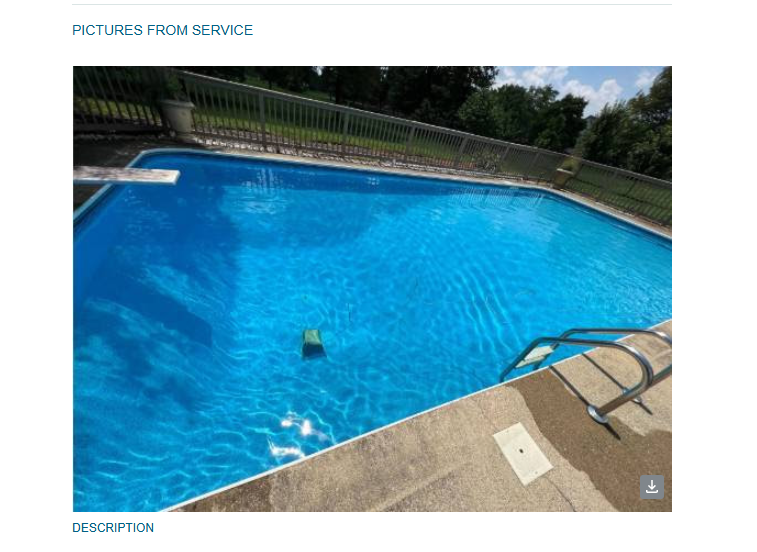
Explain at the job, and again in the follow‑up, how ongoing service can prevent the same issue. - Use before/after photos and simple reports
Show the transformation and use that as a bridge to “Here’s how we keep it this way all season.” - Schedule a follow‑up check or call
Even a short, scheduled follow‑up a week or two later keeps your name top of mind.
With software:
- One‑time jobs are tagged and tracked as a segment
- Automated reminders or emails can be sent after the job, offering a plan
- Service reports with photos are easy to generate and share
You’re not pushing; you’re simply following up in a structured, reliable way.
6. Make Customer Experience a Growth Engine
Retention and referrals are where a lot of quiet growth comes from. To turn customers into long‑term assets:
Focus on Communication and Transparency
- Send clear service reports for regular routes (readings, tasks completed, photos).
- Let customers know about issues early, not just at invoice time.
- Provide predictable scheduling and honest expectations when things change (weather, emergencies).
Ask for Reviews and Referrals
- After a few successful visits, politely request an online review with a direct link.
- Consider a simple referral program: a credit or discount when a referred neighbor signs up.
Software helps by:
- Automatically generating and sending reports based on tech input
- Triggering review requests after completed jobs
- Tracking who referred whom, so you can say thank you properly
Consistent, professional communication reduces churn and naturally increases word of mouth, which lowers your cost of acquiring each new client.
7. Improve Route Efficiency to Free Capacity
To grow without burning out your team, you need to get more out of each route hour.
Route Optimization Basics
- Cluster clients geographically to reduce “windshield time.”
- Balance routes by total time, not just number of stops.
- Adjust routes seasonally as client mix changes.
Without software, this is possible but slow and imprecise. With route‑aware tools:
- You can see all stops on a map and quickly adjust sequences.
- You can simulate new routes when adding clients.
- You can track how long visits actually take versus plan.
The result is more revenue per truck per day, without necessarily adding more overtime or staff right away.
8. Standardize Field Work and Onboarding
As you grow, consistency becomes crucial—especially when adding new technicians.
Standardization Ideas
- Create checklists for standard visits (weekly maintenance, openings, closings).
- Document preferred ways to handle common issues (algae blooms, cloudy water, equipment noise).
- Use simple training materials (short videos, one‑page guides) to onboard new hires.
With software:
- Checklists can live inside the job screen so techs follow them at the pool.
- Notes from previous visits surface automatically for context.
- Managers can spot patterns when steps are being missed or jobs take too long.
This reduces dependence on any one “hero” tech and makes your service more scalable and predictable—key ingredients for sustainable growth.
9. Keep a Close Eye on Numbers That Matter
Growth that isn’t profitable doesn’t help. You don’t need to be a data analyst, but a growing pool business in 2026 should regularly review at least:
- Monthly recurring revenue versus one‑time work
- Average revenue per client and per route
- Churn rate (clients lost each season and why)
- Time and cost per visit (labor + fuel + chemicals)
- Invoice aging (how long payments are taking to come in)
Software that ties together scheduling, job data, and invoicing makes these numbers far easier to see without manual spreadsheets. Clear, current metrics support better decisions about:
- Raising prices where needed
- Dropping unprofitable accounts or areas
- Investing in another truck or tech
- Increasing or reducing marketing spend
10. Build for Growth, Not Just for Today
The final piece of growing a pool service business in 2026 is mindset: setting up systems that will still work when you double your client list.
Questions to ask yourself:
- If I added 50 more weekly accounts tomorrow, what would break first?
- How many more clients can we handle before routes, billing, or communication become unmanageable?
- Do I have a central, accurate picture of customers, jobs, and money—or is it spread across notebooks, texts, and memory?
If the honest answers reveal that your current setup is already stretched, that’s a sign it may be time to lean more on tools designed for scale.
Software doesn’t replace your judgment or your relationships. It just carries more of the repetitive load—so growth feels like adding good work, not chaos.
Pulling It All Together (and a Simple Next Step)
Growing your pool service business in 2026 comes down to doing a few things very well, consistently:
- Being findable and responsive when people are looking for help
- Turning one‑time opportunities into long‑term relationships
- Delivering a reliably great experience on every route
- Using data to refine routes, pricing, and staffing
- Building systems that can handle more clients without constant heroics
Modern pool service software is not a magic wand, but it is a powerful backbone for all of this work. It connects your leads, schedules, jobs, invoices, and reports in one place, so the business can grow on purpose instead of by brute force.
If you’re serious about growth this season, a practical next step is to see one of these systems in action. A short, focused demo that uses your kinds of routes and services will quickly show whether the software fits how you and your techs work—and whether it can quietly shoulder some of the growth load you’re planning for.
If that sounds useful, consider booking a demo and walking through a “day in the life” of your business inside a modern pool service platform. It’s a low‑pressure way to decide if this is the right foundation for the growth you want in 2026 and beyond.