There’s nothing better than clean, clear pool water, but it requires regular maintenance and testing. When pool owners wonder how much chlorine to add to a pool, many get confused by the math and add chemicals by guesswork, which can quickly lead to green algae growth or a pungent odor and irritated skin.
To avoid such troubles, it is important to know exactly how to add chlorine to your pool and which type of chlorine product to use. Chlorine levels need to stay within a safe range, and any deviations must be promptly corrected so that later you do not have to urgently raise pH in pool due to a serious chemical imbalance.
How To Measure Pool Volume Before Chlorinating A Pool
Before using a pool chlorine calculator, you need to know your pool volume, because without this number, the manufacturer’s dosage instructions won’t be accurate. Most U.S. pool chemical brands list dosage instructions in gallons, so we’ll use gallons for more accurate calculations.
- Measure the length, width, and average depth of your rectangular pool.
- Multiply these three numbers together to get cubic feet.
- Multiply the result by 7.5 to get the total volume.
These simple steps help us estimate pool volume more accurately and avoid dosing mistakes, whether you’re treating a small 500-gallon pool or maintaining a large backyard pool.
Liquid Chlorine Dosage Chart And Tablet Calculations
Every pool needs a slightly different approach, especially when you’re filling or opening the pool for the first time and need to know how much chlorine to add to a pool at startup to sanitize the water properly. To comfortably maintain water quality, free chlorine should usually stay around 1–3 ppm, and a pool chlorine level chart can make this much easier.
|
Pool Volume |
Liquid Chlorine for 1 ppm |
3-Inch Chlorine Tablets (Weekly) |
|
1,000 gallons |
1.3 oz |
0.5 tablet |
|
5,000 gallons |
6.5 oz |
1 tablet |
|
10,000 gallons |
13 oz |
2 tablets |
|
15,000 gallons |
19.5 oz |
3 tablets |
This table shows how many chlorine tablets you need for a 10,000-gallon pool for weekly maintenance, and to avoid complicated calculations, pool pros often use a pool chemical calculator to get the right dosage faster.
Tablets vs Liquid: What Kind Of Chlorine Do I Need For My Pool
The choice between chlorine tablets and liquid chlorine is a common question among pool owners and service pros. Tablets are extremely convenient to use, as they slowly dissolve in a floating dispenser, but most of them contain cyanuric acid, an excess of which can reduce chlorine effectiveness over time.
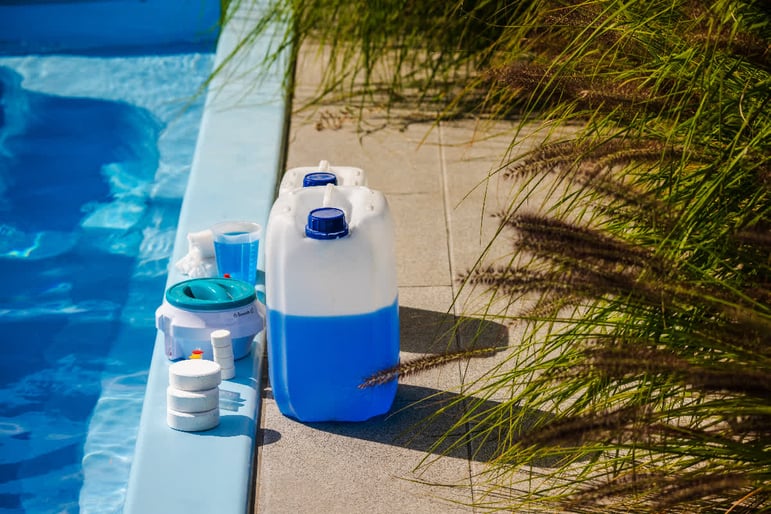
On the other hand, people are actively looking for how much liquid chlorine for pool, because this option does not contain stabilizers and begins to act instantly once it’s added to the pool water. This is the best choice when you urgently need to understand how much liquid chlorine to shock a pool after heavy rain, although the liquid form requires more frequent dosing and careful storage in a cool, dark place.
How Often Should I Add Chlorine To My Pool
Regular maintenance is the key to keeping your pool water clear. If you've chosen a liquid product, you may need to add it more often, sometimes daily, because sunlight breaks it down quickly, as UV rays break down unstabilized chlorine quickly.
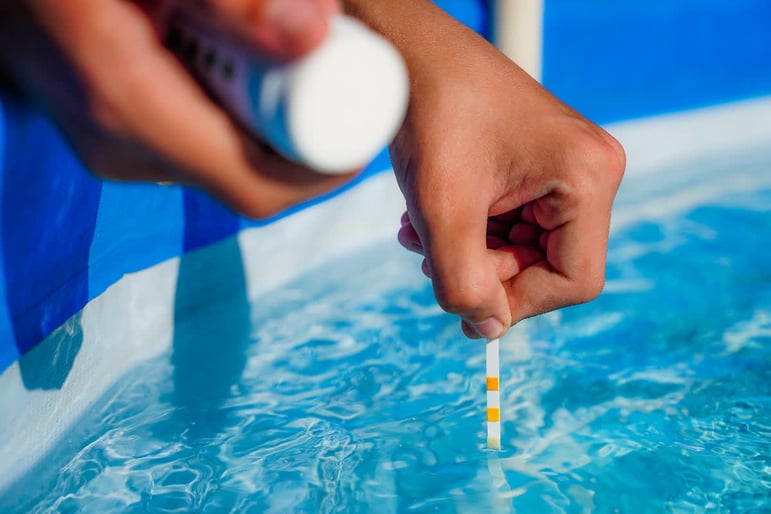
- Test your water at least twice a week with a reliable drop tester.
- Add new chlorine tablets to your floating dispenser or chlorinator about once a week.
This disciplined approach ensures that your pool chlorine level stays within a safe range, and if algae suddenly shows up, you'll only have to compare liquid shock and granular chlorine doses before shocking the pool.
Shocking A Pool With Liquid Chlorine And Handling Chloramines
A strong chemical smell often means there isn’t enough free chlorine, not that there’s too much, due to the formation of chloramines from contact with organic matter, sweat, sunscreen, and debris. To quickly assess the level of contamination, we can use combined chlorine readings to understand when shocking is needed, after which it’s time to shock the pool with liquid chlorine to break down chloramines and restore fresh, clean water.
To destroy dangerous bacteria, you’ll need a higher chlorine dose than usual. Instead of guessing the dosage, use a pool chlorine calculator to find the right shock dose, shock the pool in the evening, and check the chlorine level again in the morning before anyone swims.
Professional Solutions: Pool Service Software
Maintaining one pool takes attention to detail, and managing dozens of pools can quickly become complicated for service companies. Dispatchers need to track chemical readings, technician schedules, and customer requests at the same time across multiple customer locations. That’s where pool service scheduling software can help.
Digitizing business processes can save time and reduce manual work for the further development of your business. By implementing reliable pool service software, you can automatically record water test results, calculate the necessary chemical dosages, and bill customers in one application, reducing paperwork and manual errors.